
The electric SUV race in India is getting more exciting than ever! Two names currently stealing the spotlight are the Maruti e Vitara and the Tata Harrier EV.
Both aim to grab a big piece of the growing EV market, but they do it differently. The Maruti e Vitara focuses on being affordable and practical for everyday buyers, while the Tata Harrier EV promises a more premium, feature-rich experience with powerful performance.
So, which one’s the better buy? Let’s compare their features, battery, specs, mileage, and price to find out who wins this electric showdown.
Maruti e Vitara vs Tata Harrier EV – Features
Let’s start with features. The Tata Harrier EV stands out with its premium feel and powerful setup. It’s built on Tata’s Acti.ev+ platform, packs Level-2 ADAS, and even comes with all-wheel drive (AWD) in some versions — a big plus for those who love adventure.
On the other hand, the Maruti e Vitara keeps things simple yet solid. It’s expected to be priced around ₹22.5 lakh (on-road Delhi) and still promises a healthy 500 km claimed range. While it may not match the Harrier EV’s luxury features, it’s aimed at practical buyers who want an electric SUV without breaking the bank.
Key Highlights :
- Tata Harrier EV : Large touchscreen, premium interior, advanced ADAS, AWD, and high power output.
- Maruti e Vitara : Balanced features, good range, strong build quality, and Maruti’s trusted service network.
Maruti e Vitara vs Tata Harrier EV – Battery Capacity
Battery size plays a huge role in how far an EV can go. Here’s how they stack up :
- Maruti e Vitara: Around 61 kWh battery pack
- Tata Harrier EV: Larger 75 kWh pack (some versions may offer 65 kWh)
In simple terms, the Harrier EV’s bigger battery gives it more range and stronger performance. But the e Vitara’s 61 kWh unit is still powerful enough for daily drives and weekend trips — and it’s likely to be more energy-efficient and easier on your pocket.
More Information : Maruti e Vitara
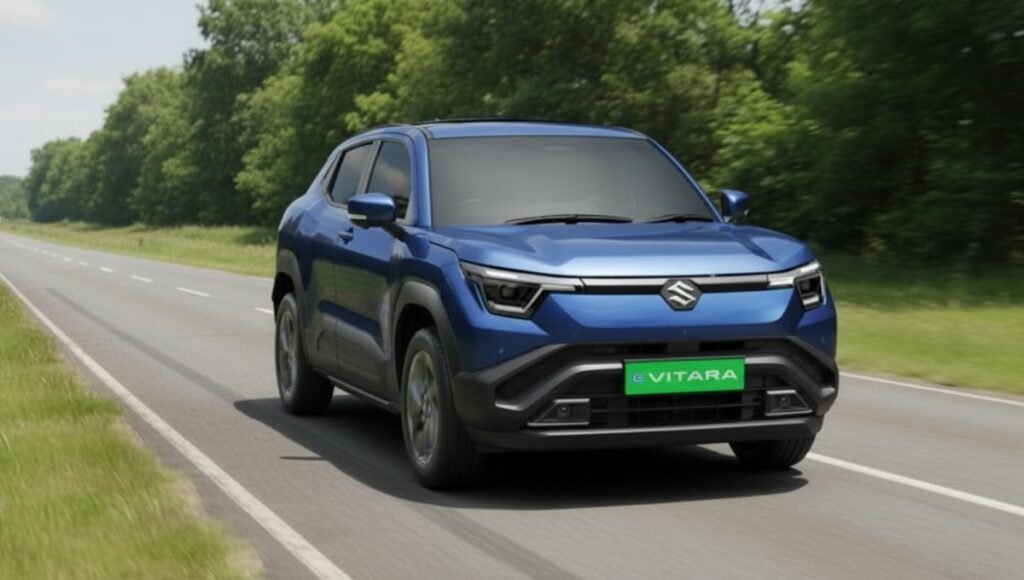
Maruti e Vitara
Maruti e Vitara vs Tata Harrier EV – Specs
Here’s a quick look at the numbers that matter most :
Tata Harrier EV :
- Battery: 65 kWh / 75 kWh (LFP type)
- Claimed Range: Up to 627 km (MIDC)
- Power: 390 bhp / 504 Nm torque (AWD)
- Charging: 120 kW DC fast charging, 20-80% in about 25 minutes
- Harrier EV Price: ₹31.9 lakh (on-road Delhi)
Maruti e Vitara :
- Battery: ~ 61 kWh
- Claimed Range: Around 500 km
- Expected Price: ₹22.5 lakh (on-road Delhi)
On paper, the Harrier EV clearly has more power, a larger battery, and longer range. But don’t forget — the e Vitara costs nearly ₹9 lakh less and still offers a range good enough for everyday use.
More Information : Tata Harrier EV
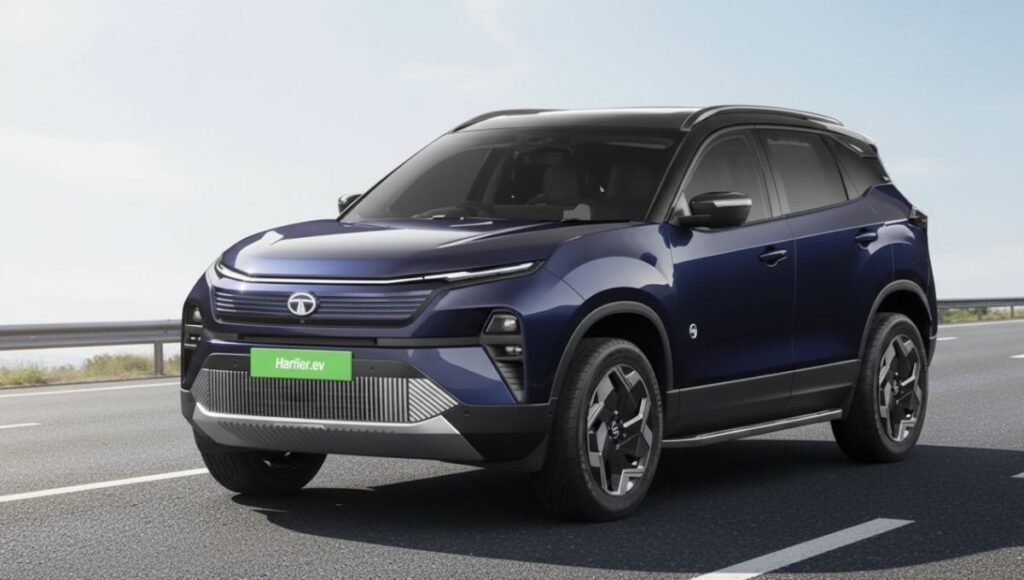
Tata Harrier EV
Which Electric SUV Gives the Best Mileage in India?
In EV terms, “mileage” means how far the car goes on a single charge.
- Tata Harrier EV: Claimed range of 627 km (with the 75 kWh pack)
- Maruti e Vitara: Claimed range of 500 km
Both numbers look great on paper. However, real-world performance may vary depending on driving style, traffic, AC usage, and terrain.
Which is Better: Maruti e Vitara or Tata Harrier EV?
Both SUVs have their strengths — the right one for you depends on your needs and budget.
Choose the Tata Harrier EV if you want :
- Powerful performance (390 bhp / 504 Nm)
- Maximum range (627 km)
- Premium looks and features
- AWD and high-end tech
Choose the Maruti e Vitara if you want :
- Lower price (₹22.5 lakh expected)
- Balanced range (500 km)
- Strong service and support from Maruti Suzuki
- A practical, family-friendly EV
Maruti e Vitara vs Tata Harrier EV – Price in India
As per current reports and listings :
- Maruti e Vitara: Around ₹22.5 lakh (on-road Delhi)
- Tata Harrier EV: Around ₹31.9 lakh (on-road Delhi)
That’s a difference of almost ₹9–10 lakh between the two. The Harrier EV justifies its higher cost with premium features, AWD, and better performance. Meanwhile, the e Vitara keeps things affordable, practical, and efficient — a great entry point into India’s growing EV SUV market.
Also Read : Hyundai Venue N Line vs Venue: The Ultimate Compact SUV Comparison